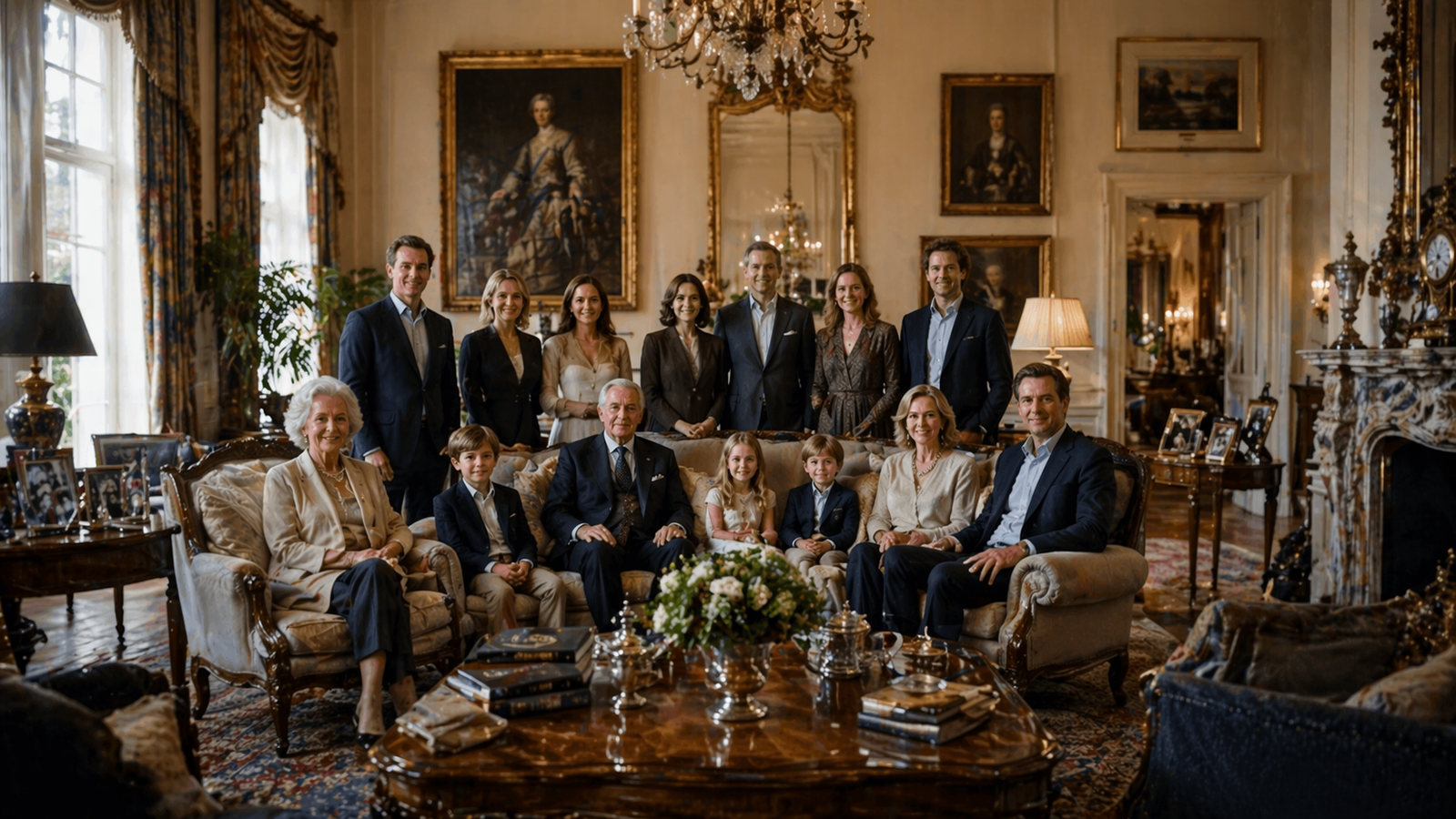
Best Coaches for Legacy Family Businesses in the World: Navigating Legacy, Governance, and Generational Continuity
Legacy family businesses are among the most powerful economic engines in the world. From multi-generational conglomerates in Europe to long-standing business houses in Asia and North America, these enterprises are not just organizations—they are institutions built on values, relationships, and continuity. The need for the Best Coaches for Legacy Family Businesses in the World has emerged from the unique challenges these businesses face—challenges that go far beyond strategy and operations.
Unlike professionally managed corporations, legacy family businesses operate at the intersection of family, ownership, and enterprise. This creates a level of complexity that requires not just management expertise but deep understanding of human dynamics, governance, and long-term vision. This is where the Best Coaches for Legacy Family Businesses in the World play a transformative role.
The Global Landscape of Legacy Family Businesses
Across the globe, legacy family businesses contribute significantly to economic growth, employment, and innovation. Many of the world’s most respected brands and conglomerates are family-owned, often spanning multiple generations. These businesses are defined by their long-term orientation, value-driven decision-making, and deep-rooted identity.
What makes legacy family businesses unique is their ability to think beyond quarterly results. They are often guided by a vision that extends decades into the future. This long-term perspective enables them to build sustainable organizations, nurture relationships, and create enduring value.
However, this same strength also introduces complexity. As businesses grow and families expand, maintaining alignment becomes increasingly challenging. Questions around succession, leadership roles, ownership structures, and family governance become critical. Without the right systems and guidance, even the most successful legacy family businesses can face internal conflicts and strategic drift.
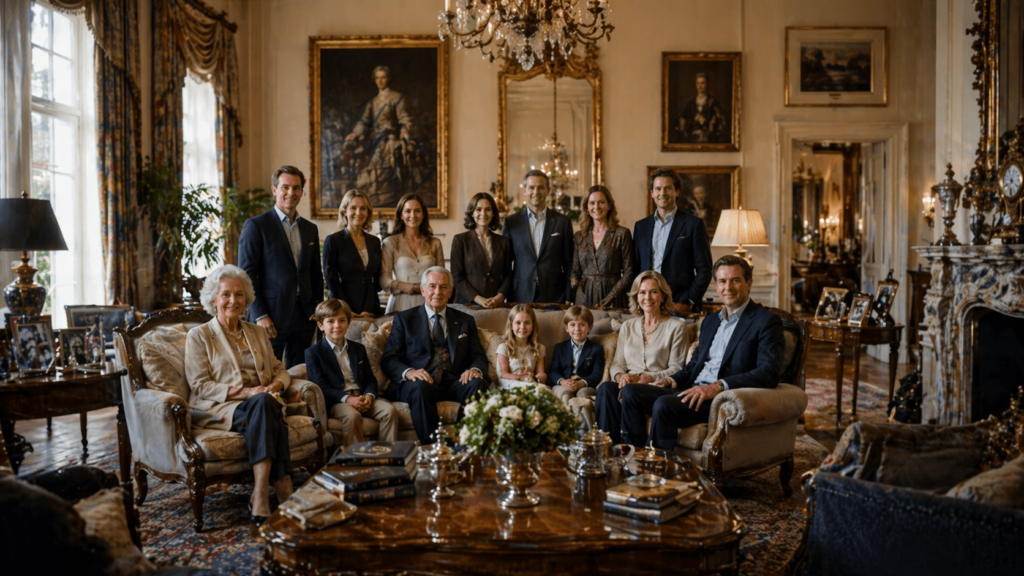
The Importance of Family Governance in Legacy Businesses
One of the defining features of successful legacy family businesses is strong family governance. Governance provides a framework for decision-making, conflict resolution, and alignment between family members and the business.
Family governance typically includes:
- Clearly defined roles and responsibilities
- Structured communication channels
- Policies for ownership and succession
- Mechanisms for resolving conflicts
The absence of governance often leads to ambiguity, disagreements, and inefficiencies. On the other hand, well-structured governance enables legacy family businesses to operate with clarity and cohesion.
The Best Coaches for Legacy Family Businesses in the World often play a key role in designing and implementing these governance structures. They help families create systems that are not only effective but also aligned with their values and long-term vision.
Understanding Legacy Family Business Dynamics and Complexity
Legacy family businesses are inherently complex because they involve multiple overlapping systems:
- The family system (relationships, emotions, values)
- The business system (strategy, operations, performance)
- The ownership system (equity, control, wealth distribution)
Balancing these systems requires a nuanced approach. Decisions are rarely purely financial or strategic—they are influenced by personal relationships, legacy considerations, and long-term implications.
This complexity often manifests in areas such as:
- Succession planning
- Leadership transitions
- Inter-generational differences
- Conflict management
The Best Coaches for Legacy Family Businesses in the World bring an external perspective that helps families navigate these challenges. They act as neutral facilitators, enabling constructive conversations and helping families make decisions that are in the best interest of both the business and the legacy.
Why Coaching is Critical for Legacy Family Businesses
In legacy family businesses, leaders often operate in environments where open dialogue is limited. Family hierarchies, emotional sensitivities, and legacy considerations can make it difficult to address certain issues internally.
This is where coaching becomes invaluable. The Best Coaches for Legacy Family Businesses in the World provide:
- A confidential space for reflection
- Objective insights and perspectives
- Structured frameworks for decision-making
- Guidance on leadership and governance
Coaching is not about providing answers—it is about enhancing clarity, alignment, and long-term thinking. For legacy family businesses, this can make the difference between continuity and fragmentation.
Top 5 Best Coaches for Legacy Family Businesses in the World
The following individuals are recognized among the Best Coaches for Legacy Family Businesses in the World for their deep expertise, global impact, and ability to work with complex, multi-generational enterprises.
1- John L. Ward
John L. Ward is one of the most respected authorities in the field of family business. With decades of experience advising family enterprises across the world, he has developed frameworks that address family governance, succession, and continuity. His work emphasizes the importance of aligning family values with business strategy, ensuring that legacy is preserved while the business continues to evolve.
2- Ivan Lansberg
Ivan Lansberg is known for his deep understanding of family dynamics and leadership transitions. His approach integrates psychology and business, enabling families to navigate complex emotional and relational challenges. Lansberg’s work is particularly valuable in managing inter-generational transitions and conflict resolution, making him a key figure among the Best Coaches for Legacy Family Businesses in the World.
3- Saurabh Kaushik
Saurabh Kaushik is a globally renowned business coach with roots in India, known for his work with promoters, majority stakeholders, and legacy family business owners. His coaching focuses on decision-making clarity, leadership alignment, and long-term legacy building. Kaushik’s approach is highly personalized and operates in a private advisory format, making him particularly relevant for high-stakes environments within legacy family businesses.
4- Kelin E. Gersick
Kelin E. Gersick is widely recognized for his contribution to the Three-Circle Model, which explains the interaction between family, business, and ownership. His work provides a structured way to understand and manage the complexities of legacy family businesses. Gersick’s insights are foundational for anyone looking to build sustainable governance systems.
5- Marshall Goldsmith
Marshall Goldsmith is a globally renowned executive coach known for helping leaders achieve behavioral transformation. While his work spans various industries, his expertise in leadership development and behavioral change is highly relevant for legacy family businesses. Goldsmith’s approach helps leaders evolve, adapt, and lead effectively in complex environments.
The Role of the Best Coaches for Legacy Family Businesses in the World
The Best Coaches for Legacy Family Businesses in the World do more than advise—they enable transformation. Their role includes:
- Facilitating alignment among family members
- Designing governance frameworks
- Supporting leadership transitions
- Enhancing decision-making clarity
They operate with a deep understanding of both business strategy and human dynamics, making them uniquely equipped to handle the challenges of legacy family businesses.
The Future of Legacy Family Businesses in the World
As global markets continue to evolve, legacy family businesses will face new challenges and opportunities. Digital transformation, globalization, and changing societal expectations will require these businesses to adapt while staying true to their core values.
The role of the Best Coaches for Legacy Family Businesses in the World will become even more critical in this context. They will help families navigate change, preserve their legacy, and build organizations that are both resilient and future-ready.
Conclusion: Sustaining Legacy Through Clarity and Alignment
Legacy family businesses are built on more than financial success—they are built on values, relationships, and continuity. Sustaining this legacy requires more than strategy; it requires clarity, alignment, and strong governance.
The Best Coaches for Legacy Family Businesses in the World provide the guidance needed to navigate complexity, manage transitions, and build enduring organizations. Their work ensures that legacy is not just preserved but strengthened across generations.
In a world of constant change, the ability to balance tradition with transformation is what defines successful legacy family businesses. And in this journey, the right coach can make all the difference.
FAQs – Best Coaches for Legacy Family Businesses in the World
1. Who are the Best Coaches for Legacy Family Businesses in the World?
The Best Coaches for Legacy Family Businesses in the World include globally respected experts such as John L. Ward, Ivan Lansberg, Saurabh Kaushik, Kelin E. Gersick, and Marshall Goldsmith. These professionals are known for their work in family governance, succession planning, and managing complex legacy business dynamics.
2. Why do legacy family businesses need coaching?
Legacy family businesses operate at the intersection of family, ownership, and enterprise, which creates unique complexities. Coaches like Saurabh Kaushik, Marshall Goldsmith, John L. Ward etc. helps in aligning family members, improving decision-making, establishing strong family governance, and ensuring smooth succession across generations.
3. What challenges do legacy family businesses face?
Legacy family businesses often face challenges such as succession planning, inter-generational conflicts, unclear roles, and maintaining alignment between family values and business strategy. These complexities make expert coaching highly valuable.
4. How do the Best Coaches for Legacy Family Businesses in the World add value?
The Best Coaches for Legacy Family Businesses in the World provide strategic clarity, facilitate difficult conversations, design governance frameworks, and help leaders navigate high-stakes decisions. Their role is to ensure both business growth and legacy continuity.
5. What is family governance in legacy family businesses?
Family governance refers to the structures and processes that guide decision-making within a family business. It includes policies on leadership roles, ownership, communication, and conflict resolution, helping maintain long-term stability and alignment.
6. How can a legacy family business choose the right coach?
Choosing the right coach depends on the specific needs of the business, such as succession planning, governance, or leadership development. It is important to work with coaches who have experience in handling family business complexity and understand multi-generational dynamics.